
CANADA’S NEW 25% TARIFF ON STEEL DERIVATIVES
Derivative Tariffs –
Not Just the U.S. Anymore
On December 26, 2025, the Government of Canada imposed a 25% global tariff on the full value of a number of specified steel derivative product imports, regardless of origin, which includes categories such as fasteners; doors & windows; wire, ropes, cables and chains; steel and iron cloth, grille and netting; seating with metal frames and certain metal furniture; prefabricated structures such as buildings, bridges and wind towers). The Government said this initial list may be periodically updated to reflect changes in market conditions.
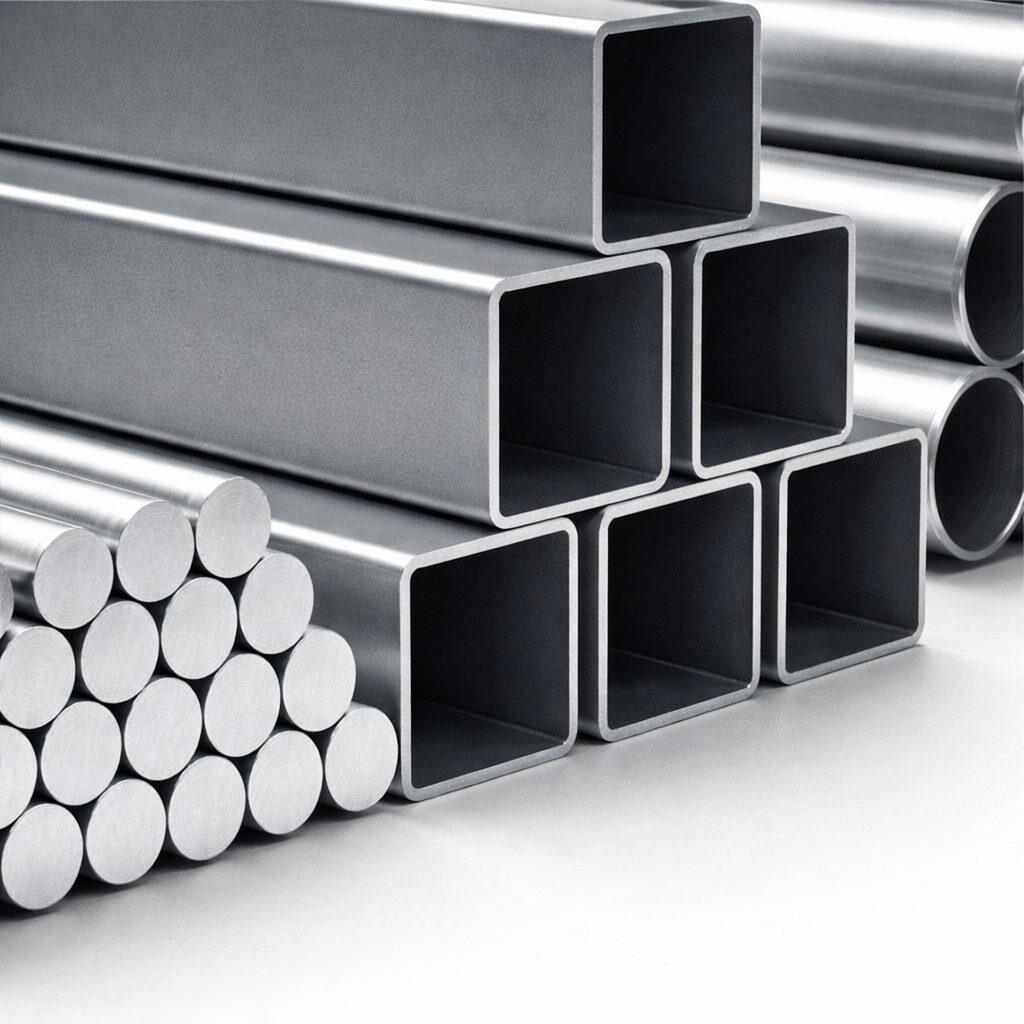

Tightened Steel Quotas
In addition, the Government announced it is reducing Tariff Rate Quotas (TRQs) for non-CUSMA partners, alongside tighter enforcement against dumping, all in an effort to protect domestic producers amidst global overcapacity and US trade actions.
“This measure will prevent the Canadian market from being overwhelmed with cheap steel owing to global overcapacity and the closure of the U.S. market. It will also allow Canadian steel producers to compete fairly in the domestic marketplace,” the Government’s announcement noted.
The Government’s announcement emphasized that enforcement of the steel surtaxes is set to intensify through several measures. A dedicated Canada Border Services Agency (CBSA) steel trade compliance team will oversee enforcement efforts, while an enhanced Border Watch online portal will make it easier to report and investigate potential violations.
Remission Removal for U.S. Steel Imports
In addition to the new duties and quotas, Canada will be removing its broad-based horizontal remission on steel products for use in manufacturing and food packaging in Canada. This remission provided significant relief for manufacturers reliant on U.S. imports. The remission was set to expire on October 16, 2025, but was extended to December 16, 2025, and is now set to expire effective January 31, 2026, except for imported goods used for the manufacturing of automobiles, auto parts, and aerospace products. The remission will also remain in place for aluminum imports for the U.S.
Importers will still be eligible to apply for the remission framework published on March 4, 2025, which provides for ongoing tariff relief in a narrow set of circumstances, for example, where inputs cannot be sourced domestically.
Impact for CFCP Members
The new 25% tariff will have a major impact on several of our CFCP member companies, as well as several industries and ultimately Canadian consumers.
Of immediate concern is that Canada does not manufacture the targeted derivative products in sufficient quantities to meet domestic supplier demand for many products. The new tariff will function strictly as a cost increase to businesses and consumers, without providing any protection to Canadian manufacturing, and lead to:
- Increased costs across manufacturing, construction, residential renovation, and home improvement
- Higher prices for Canadian consumers
- Reduced competitiveness for Canadian distributors and manufacturers
- upply chain instability during an already difficult economic period
Given limited Canadian production for these goods, the surtax leaves importers with:
- No viable replacement sources within Canada
- No ability to localize supply in the short term
- No practical mitigation options to offset cost increases
This situation could result in shortages of components essential to the furniture, cabinetry, door manufacturing, construction, hardware, and renovation industries. These industries and their respective supply chains are already under pressure from cost challenges imposed by other surtax and tariff measures, in Canada and elsewhere.
Other issues include the importing of non-steel metal products that do not have a specific HS code that the new tariff will be applied to. Steel tariffs should not apply to zinc and aluminum products for example.
Please join us on January 23rd at 9:00 a.m. if you would like to get more information or share information on the new tariff and other initiatives taken by the Canadian government on steel derivatives. Email Michael Jorgenson at mjorgenson@centerforconsumerproducts.com for a Zoom Meeting invite.

Michael Jorgenson
Manager of Environmental, Regulatory Affairs & Member Groups
Michael Jorgenson is the Manager of Environmental, Regulatory Affairs & Member Groups, where he works at the intersection of environmental compliance, regulatory change, and industry collaboration. He supports member organizations by translating evolving regulations into practical implications, and by bringing peers together in facilitated groups where leaders can share perspectives, pressure test ideas, and learn from one another. His work is grounded in helping organizations stay informed, prepared, and connected as the regulatory landscape continues to shift.